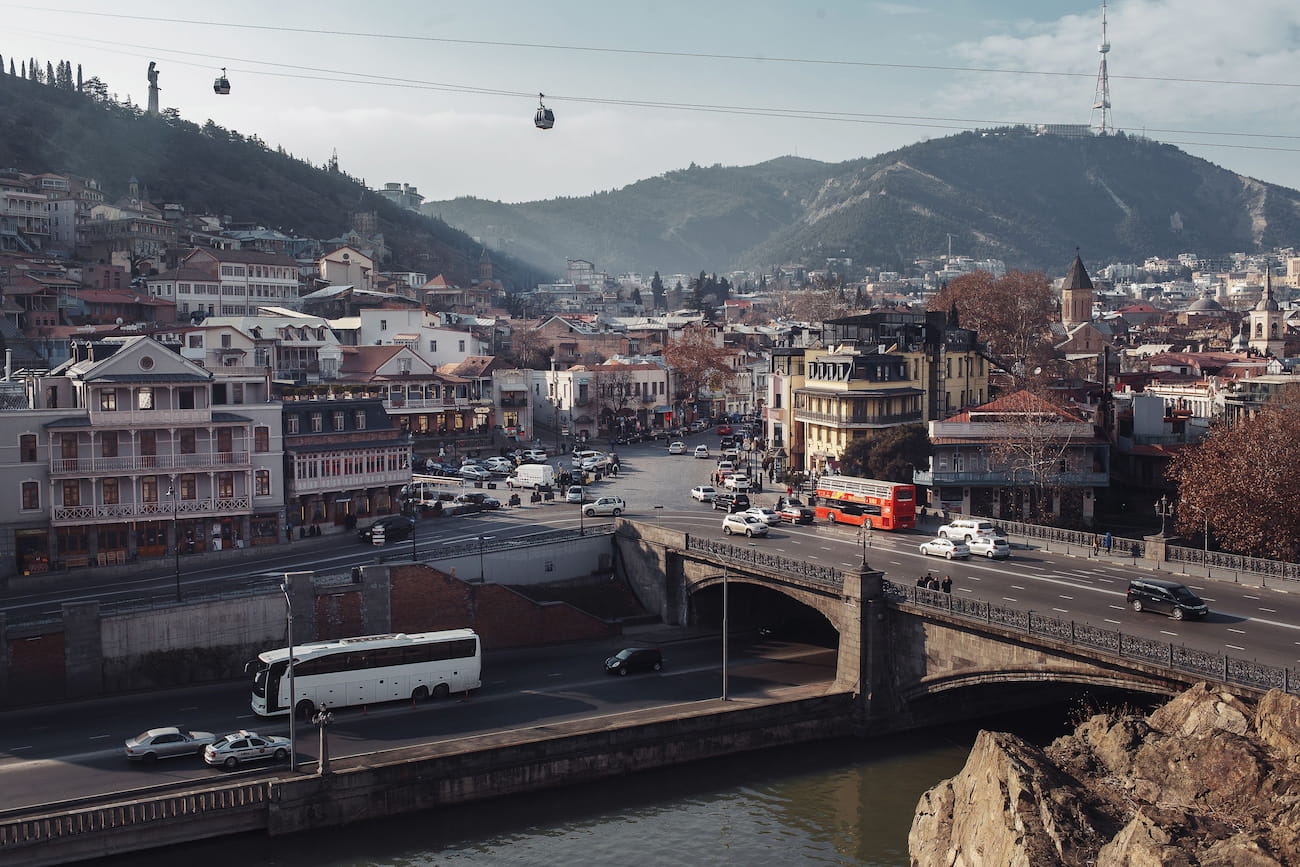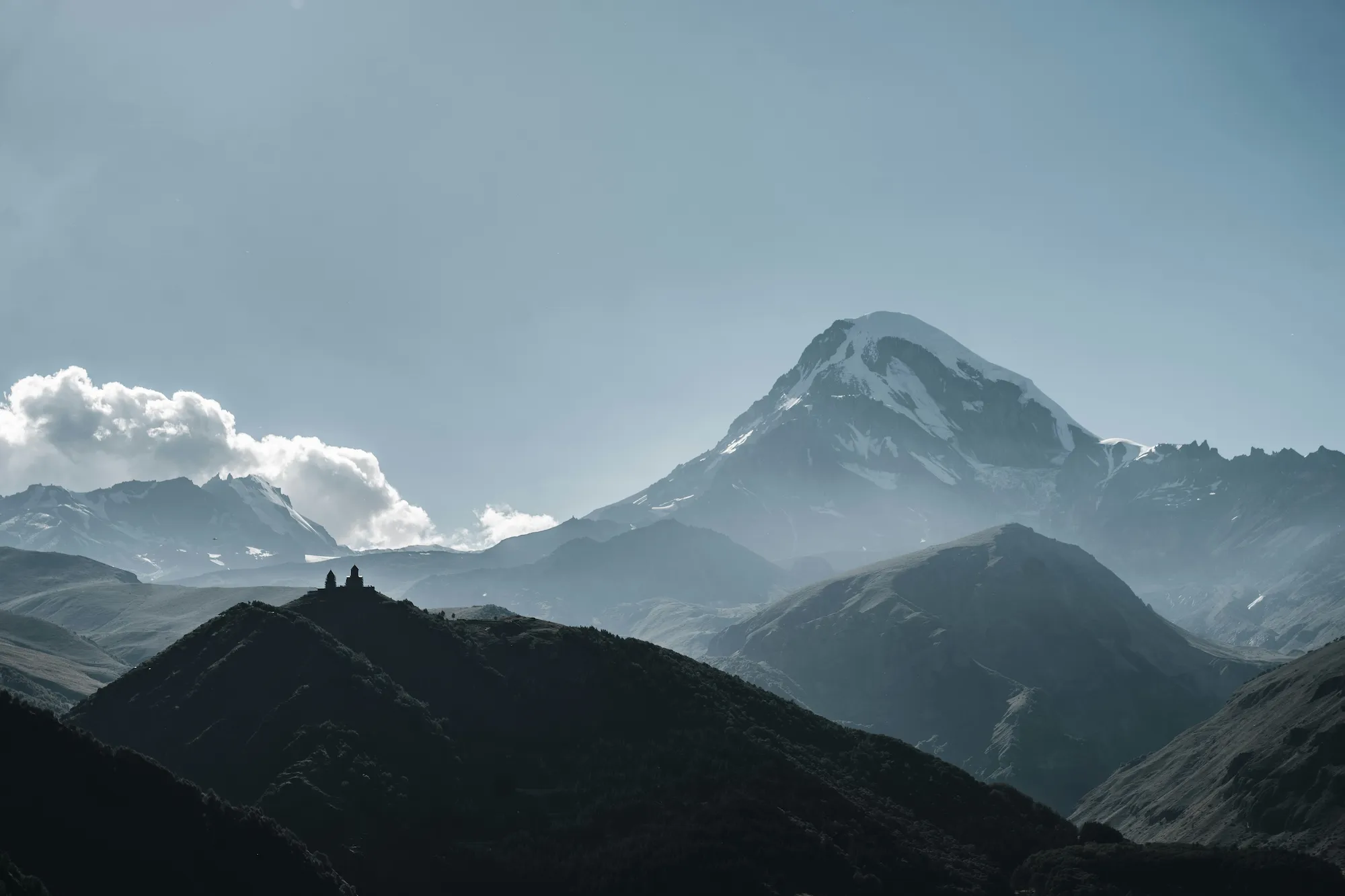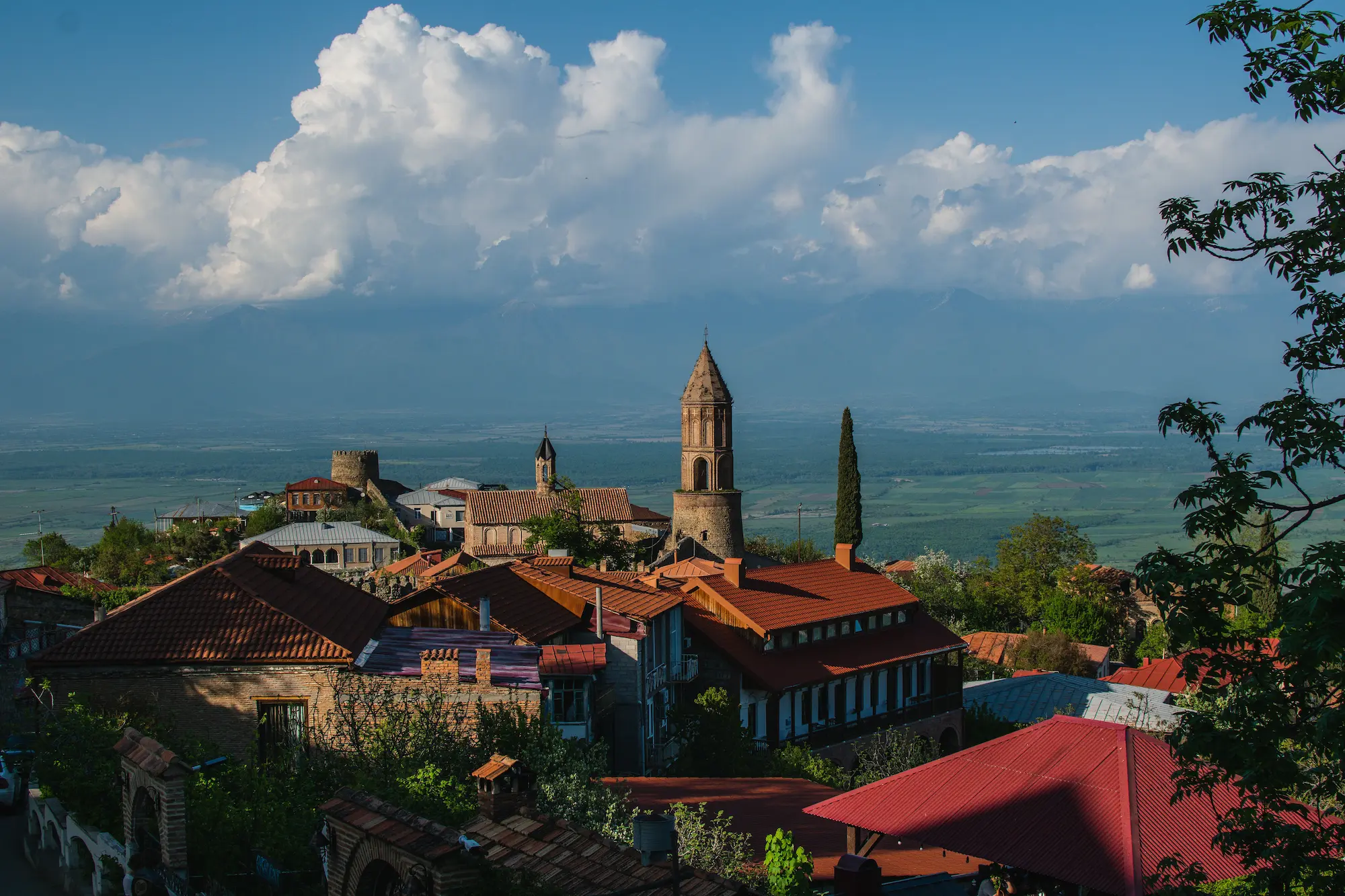
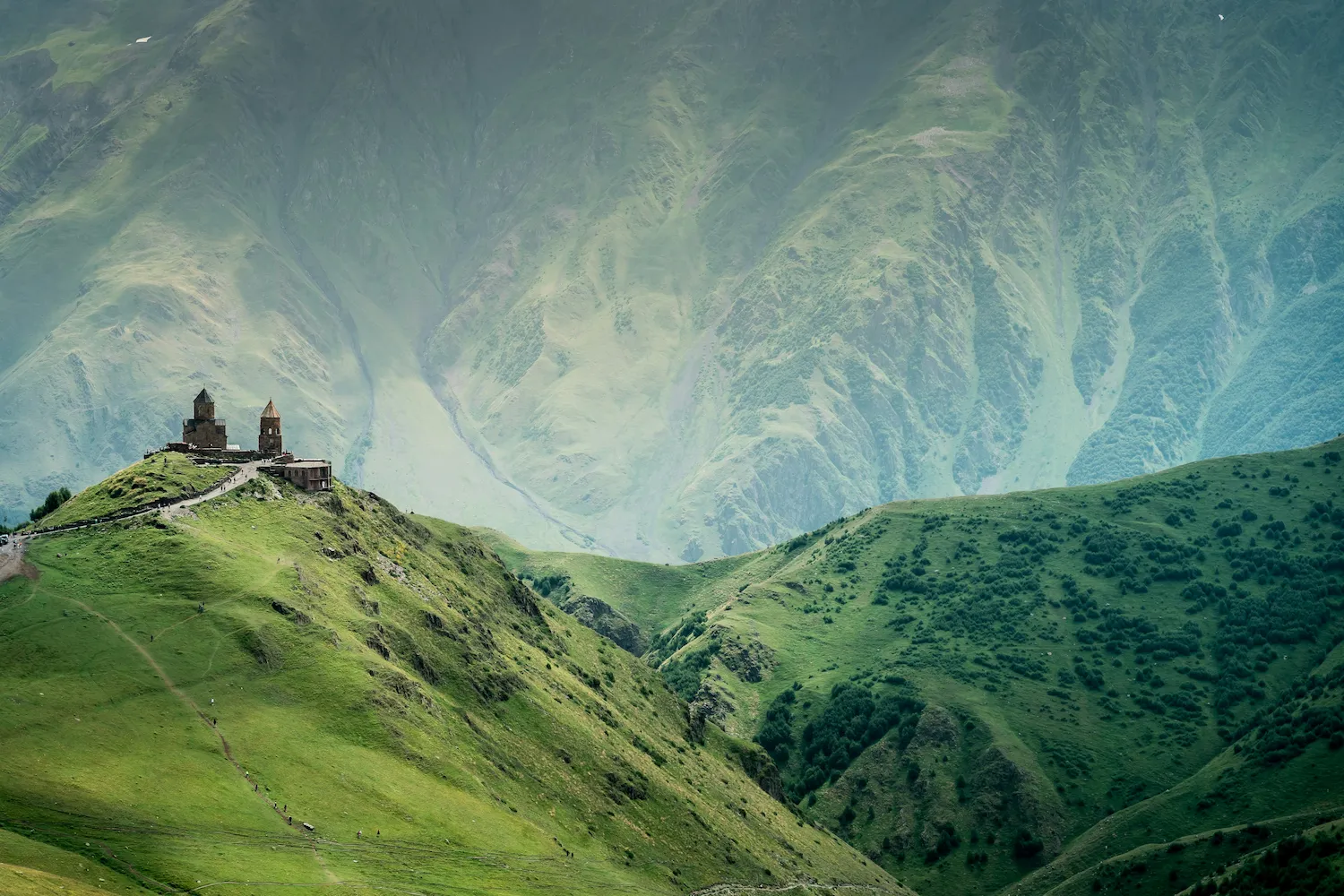
Georgia is a small country with a surprisingly complicated climate. The Greater Caucasus mountains block cold air from the north, the Black Sea softens the west, and the interior around Tbilisi and Kakheti runs hot, dry summers against cold winters. The honest answer to "when should I visit?" is: it depends what you came for — but a few months consistently come out on top.
The Short Answer
May, June, and September are the overall sweet spots — warm but not extreme, green landscapes, and manageable crowds. If wine is the priority, September and October (harvest season) are hard to beat. If hiking in the high mountains is the goal, July and August are your window, since that's when the highest passes are actually snow-free. And if skiing is what you're after, December through February brings good snow to Gudauri and Bakuriani, Georgia's main resort towns.
Spring (April–June)
Spring in Georgia arrives at different speeds depending on where you are — western Georgia and the Black Sea coast warm up first, while the mountains hold onto snow much longer.
April: Georgia's first blooms — poppies, sunflowers, blossoming trees. Tbilisi sits around 10–20°C, pleasant for sightseeing, though snowmelt can still make some mountain roads and trails tricky. A good, quiet month with fewer visitors.
May: Widely considered one of the best months of the year. Wildflowers are out, hiking trails start opening, and days are long and sunny — though this is also Tbilisi's wettest month, so pack for occasional rain. Independence Day celebrations on May 26 add some extra color to the capital.
June: Comfortable temperatures across most of the country (roughly 16–27°C), summer crowds haven't peaked yet, and this is a great window for combining a Tbilisi city visit with early wine touring in Kakheti.
Best for: first-time visitors, city + nature combination trips, wine touring before the summer heat, and travelers who want green landscapes without peak-season crowds.
Summer (July–August)
This is peak season for a reason — and also the trickiest for city sightseeing.
July–August: Tbilisi and the lowlands get genuinely hot, regularly climbing above 35°C and sometimes touching 40°C+ in the worst stretches of August. It's the kind of heat that means air-conditioned accommodation stops being optional. But at altitude, conditions flip: this is the only time the high Caucasus passes are fully snow-free, making it the best window for serious trekking in Svaneti, Tusheti, and Kazbegi's backcountry. For route details, stops and day-trip planning on the Military Highway, see our Kazbegi travel guide. The Black Sea coast around Batumi is at its busiest and most expensive.
Best for: high-altitude hiking and trekking, beach time on the Black Sea, and travelers who don't mind heat in exchange for full mountain access. If your trip falls in this window, plan Tbilisi sightseeing for early morning or evening, and expect higher accommodation prices, especially on the coast.
Autumn (September–October)
Often cited as the single best season, and for wine lovers specifically, there's no real competition.
September: Sometimes called the "fourth month of summer" — still warm in the lowlands, but the punishing heat has broken. This is also when Rtveli, the grape harvest, begins in Kakheti, running from late August through October depending on the region. Wineries take on a festive atmosphere, and some invite visitors to join the grape-pressing. Our Kakheti wine guide covers wineries, bases, and the best time to visit — including harvest season.
October: Arguably the most complete month in Georgia — mild days, crisp nights, golden vineyards, and Tbilisi's Tbilisoba festival (a citywide celebration of the capital, usually the first weekend of October, with music, food, and open-air markets). Rainfall increases toward the Black Sea coast, but the interior stays largely pleasant.
Best for: wine touring (especially around harvest), photography, cultural festivals, and travelers who want good weather without summer's heat or crowds.
Winter (November–March)
Georgia's low season — quieter, cheaper, and genuinely atmospheric if you go in with the right expectations.
November: The start of the off-season proper. Cold and often grey, with mountain lodges beginning to close and trekking largely off the table.
December–February: Cold across the country (Tbilisi averages around 2–9°C), but this is prime time for skiing in Gudauri and Bakuriani, which offer well-regarded terrain at a fraction of Alpine prices. Tbilisi itself stays walkable and charming, with Christmas markets, sulfur baths, and a much quieter Old Town than you'll find in high season. Note that Georgians celebrate Orthodox Christmas on January 7, so festive events run later into January than you might expect.
March: Still cold and unpredictable, with snow lingering in the mountains, but a good option for budget travelers who want quiet cities and don't mind cool weather.
Best for: skiing, budget travel, quiet city breaks, and travelers happy to trade mountain access for lower prices and fewer crowds.
Quick Recommendations by Traveler Type
| You want… | Go in… |
|---|---|
| The most reliable all-round weather | May, June, or September |
| Wine and harvest season | Late September–October |
| High-altitude trekking (Svaneti, Tusheti) | July–August |
| Skiing | December–February |
| Lowest prices and fewest tourists | November or March |
| A first-time, do-everything trip | May |
A Few Practical Notes
- Georgia's weather changes fast, especially in the transitional months of spring and autumn — even in summer, pack a layer for mountain trips, since a 35°C day in Tbilisi can mean 12°C at a high mountain pass. Mountain road conditions vary by season; our Kazbegi guide covers the Military Highway.
- From January 1, 2026, foreign visitors must hold valid travel health insurance to enter Georgia — arrange cover before you book flights, whatever season you're travelling in.
- Regional differences matter more than the calendar alone: Kakheti and Tbilisi run hot and dry, Batumi and the west run warmer and wetter, and the high Caucasus has its own microclimate that can shift within a single day.
The Bottom Line
There's no genuinely bad time to visit Georgia — just different trips depending on the season. May and September give you the best all-around weather for a first visit; July and August unlock the high mountains via routes like the Kazbegi day trip; and if wine is what brought you here, nothing beats being in Kakheti for the harvest.